Understanding Cold Waves
A cold wave is a prolonged and significant drop in temperature over a specific area. Its intensity and duration set it apart from typical cold weather. A cold wave in meteorology occurs when the temperature consistently falls below the normal threshold for the season for several days. The occurrence is characterized by a rapid drop in temperature in North India, frequently accompanied by precipitation in the form of rain or snow, particularly at higher altitudes. The sudden drop in temperature is one of a cold wave’s most important characteristics. Unlike gradual declines, cold waves can lead to temperatures plummeting dramatically within a short time frame. Because many people may not be adequately prepared for abrupt weather changes, these dramatic shifts pose risks to both human health and the local environment. A cold wave’s persistence is another characteristic that sets it apart. In most cases, temperatures must be below average for at least three days in a row for a weather event to be considered a cold wave. This prolonged cold is especially concerning in North India, where it can have severe repercussions, including an increase in the number of vulnerable populations suffering from respiratory illnesses and hypothermia. Additionally, crop damage and livestock stress can have a negative impact on local agriculture, which is critical to many regions’ economies. Inadequate heating in homes and public areas can exacerbate the negative effects of a cold wave on health, putting the elderly and those with existing health conditions at greater risk. In terms of the environment, prolonged periods of cold can alter water bodies and disrupt ecosystems, affecting flora and fauna. In order to prepare for and mitigate the effects of cold waves in North India, an understanding of these characteristics is essential.
Causes of Cold Waves in North India
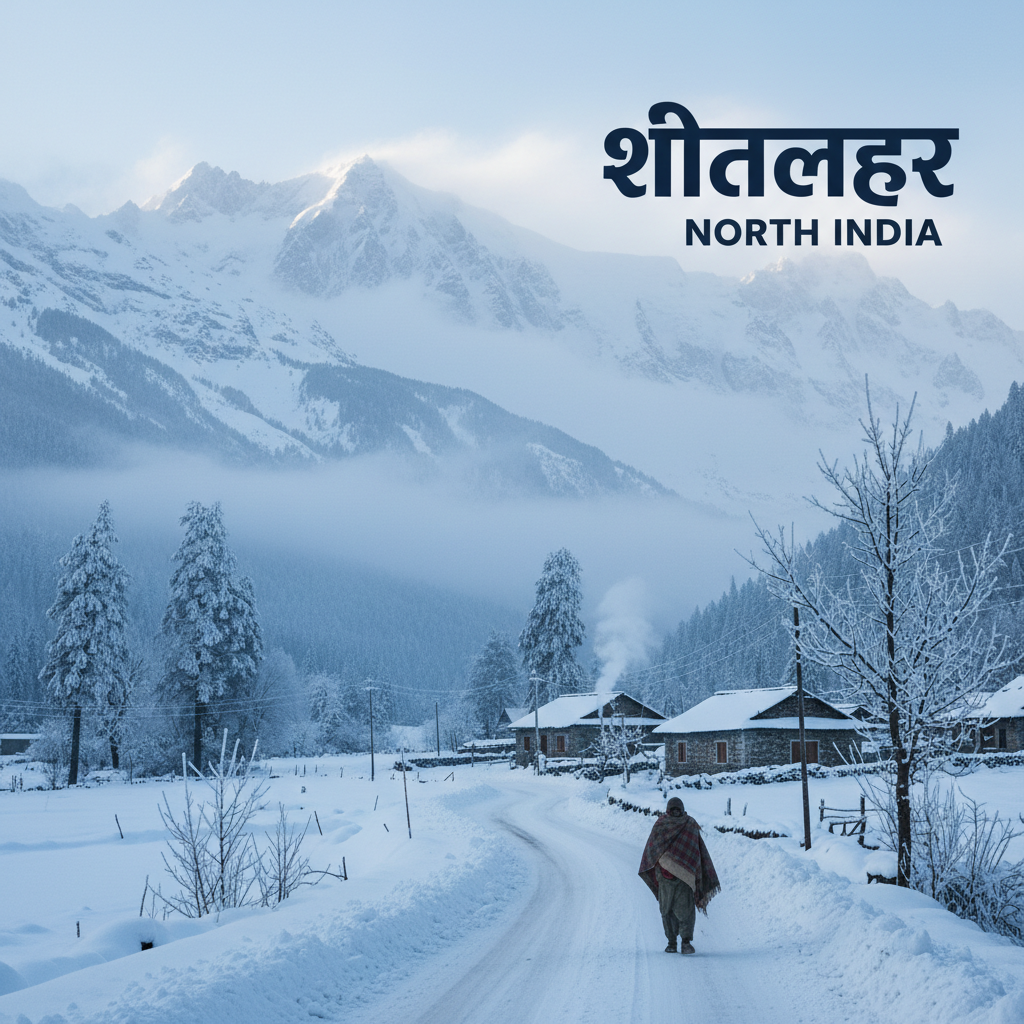
Cold waves in North India are mostly caused by a combination of geographical and meteorological phenomena. The occurrence of Western Disturbances, which are weather systems that originate in the Mediterranean, is one of the primary causes of these frigid temperatures. During the winter, these disturbances bring moist air, which results in precipitation that can significantly cool the atmosphere. These systems can bring about sudden drops in temperature in North India, which can cause cold waves to last for days. Additionally, the formation of cold waves is significantly influenced by the particular geography of North India. The Himalayas block warmer air masses from the south because of their presence. These mountains’ elevation encourages the accumulation of cold air at lower elevations during the winter, resulting in a distinct temperature gradient. Because of this natural topographical feature, areas at higher altitudes typically experience more severe cold. When discussing the causes of cold waves, it is impossible to ignore the consequences of climate change. Recent research suggests that these cold spells’ patterns and intensity may be affected by rising global temperatures. The interaction between warming temperatures and the Arctic oscillation may increase the volatility of cold air masses, resulting in more intense and unpredictable cold waves in North India, despite one’s assumption that a warmer climate could mean milder winters. As the climate continues to shift, understanding these dynamics becomes crucial for accurate weather forecasting and preparedness.
Impact of Cold Waves on Daily Life
The onset of cold waves in North India has a significant impact on the residents’ day-to-day lives. Not only do these weather patterns change the weather, but they also have big effects on agriculture, energy use, transportation, and public health. Cold waves can be good and bad for agriculture. On the one hand, crops like mustard and vegetables usually do well in cooler temperatures, but frost damage can happen when the temperature suddenly drops. Farmers often find themselves racing against time to cover sensitive crops or employ protective measures, which adds pressure to an already challenging occupation. Economic repercussions can be severe if widespread crop failure occurs, impacting food supply and prices in local markets.
During cold waves, households turn to heating systems to combat the chilly temperatures. This causes a significant increase in energy consumption. This surge in demand on the power grid may lead to electricity shortages, particularly in rural areas where infrastructure may already be strained. Fuel prices continue to rise, posing a financial and safety risk to homes that use wood or gas for heating, and a lack of fuel results in poor indoor air quality. Cold weather also has a significant impact on transportation. Flight delays, disruptions to train services, and unsafe driving conditions are all possible outcomes of adverse conditions. Commuters often adopt alternative routes or rely on public transport, which can become overcrowded amidst the increased demand. Additionally, because icy conditions increase the likelihood of accidents, road safety becomes a major concern. In terms of health, cold waves can exacerbate respiratory illnesses, particularly in vulnerable groups like children and the elderly. During these difficult circumstances, communities frequently band together to help those in need, demonstrating the resilience and solidarity that emerge during difficult times. However, the repercussions of cold waves on society and the economy are still a pressing issue that may continue even after temperatures rise.
Preparedness and Safety Measures During Cold Waves
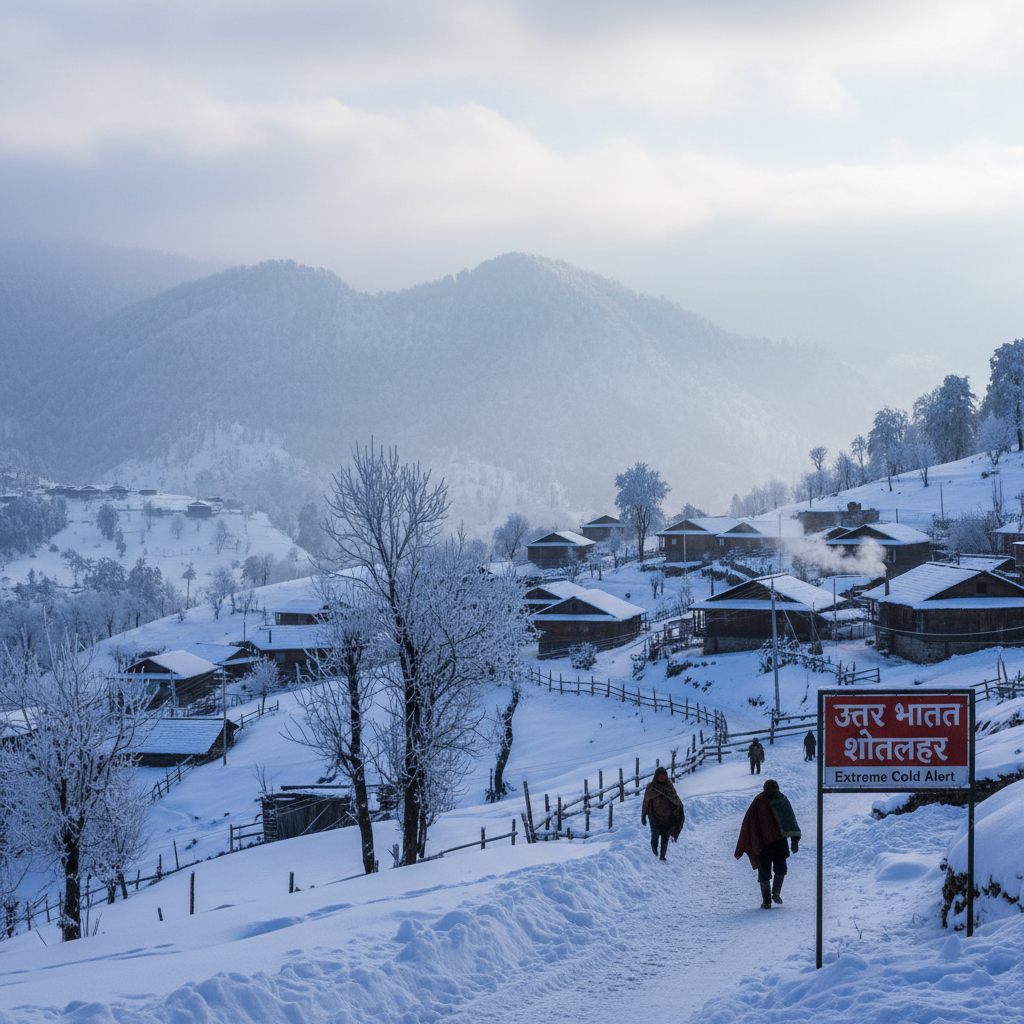
Cold waves can put people’s health at risk, especially those in vulnerable groups. As a result, being prepared is absolutely necessary to guarantee safety in such extreme weather conditions. To stay warm and healthy, people can take several proactive steps. One effective strategy is to dress in layers because they allow for better insulation and help keep body heat in. The risk of hypothermia and frostbite can be significantly reduced by wearing thermal clothing, insulated footwear, and hats, gloves, and gloves. Furthermore, it is essential to maintain indoor warmth. Households should ensure that heating systems are functioning efficiently. Space heaters can help if there aren’t enough heating sources, but it’s important to follow safety rules to avoid dangerous situations like fires or carbon monoxide poisoning. Parents and caregivers should be particularly attentive to the well-being of children, ensuring they are dressed appropriately and restricted from prolonged exposure to the cold environment.
Additional considerations are required when dealing with homeless people and the elderly. Outreach programs can be set up by communities to provide emergency food, warm clothing, and safe shelters. Establishing warming centers and coordinating resources are two important functions that local governments and organizations frequently perform. Individuals are encouraged to keep an eye on their neighbors, particularly the elderly who may need assistance, by checking on them regularly and offering help where possible.
Communities are better prepared for emergencies when they are educated about the dangers of cold waves. Citizens can be persuaded to work together to implement safety procedures through awareness campaigns. In the end, individuals and communities can collaborate to lessen the effects of cold waves and ensure a safer environment for everyone involved by taking these measures.
For more details read this article.
Book mark our website for more updates.
Join us on Facebook
Follow us on Instagram
Subscribe on Youtube
We are on Pinterest Now.